About James McBey
Newburgh's James McBey (1883-1959) rose from adversity to become one of the most celebrated artists of the 20th century. An exquisite painter, the largely self-taught McBey was routinely referred to as “the heir to Whistler and Rembrandt” for the quality of his etchings in particular.
McBey lived an extraordinarily adventurous life after leaving Scotland's north-east for the bright lights of London in 1911. By 1917, McBey was the official war artist with the Egyptian Expeditionary Force during the First World War — and two years later he had purchased the plush London property of 1 Holland Park Avenue. In 1931, he married Philadelphian Marguerite Loeb with whom he spent the entirety of the Second World War in the United States. He established roots in Tangier, Morocco, with Marguerite, but never stopped travelling, and never stopped making art (originals of which today hang at the likes of Aberdeen Art Gallery, the Tangier American Legation Museum and the Imperial War Museum). Indeed, while McBey spent much of his life abroad, he would regularly return to his native Newburgh where he had spent his boyhood. McBey today lies at rest in Tangier overlooking the Straits of Gibraltar.
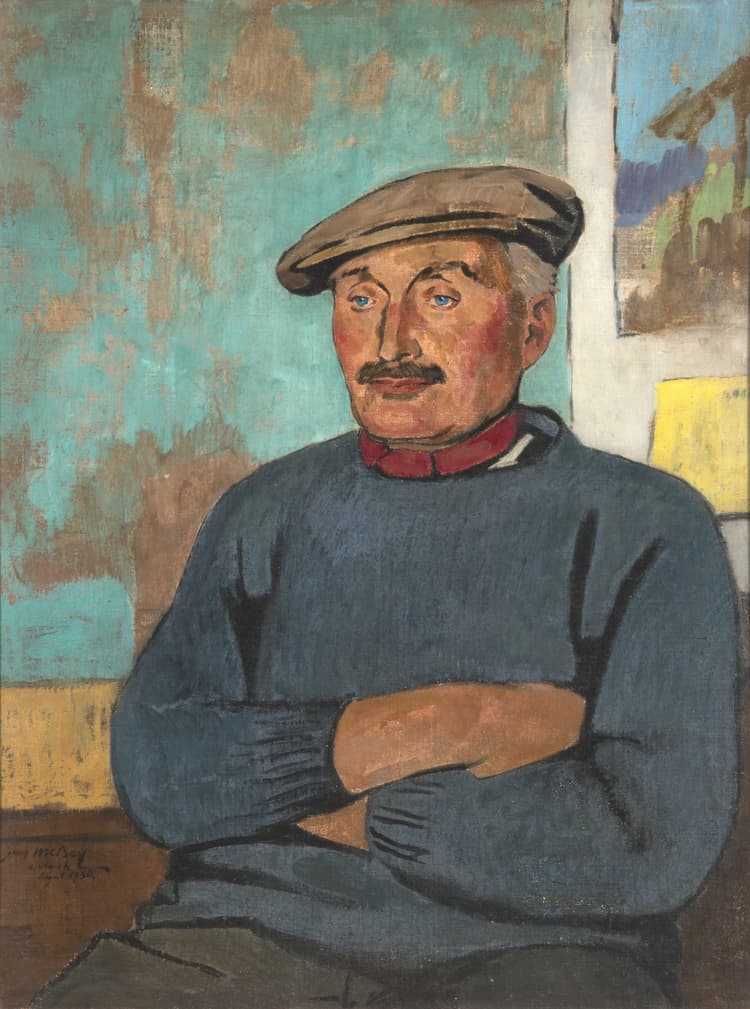
© Aberdeen Art Gallery & Museums Collections
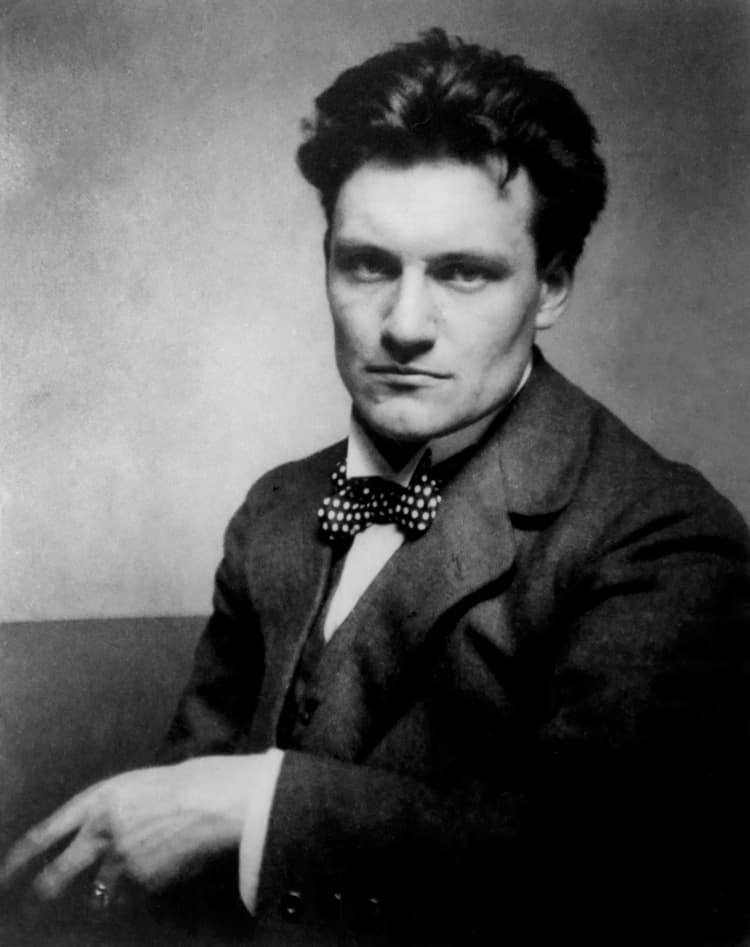
© Aberdeen Art Gallery & Museums Collections
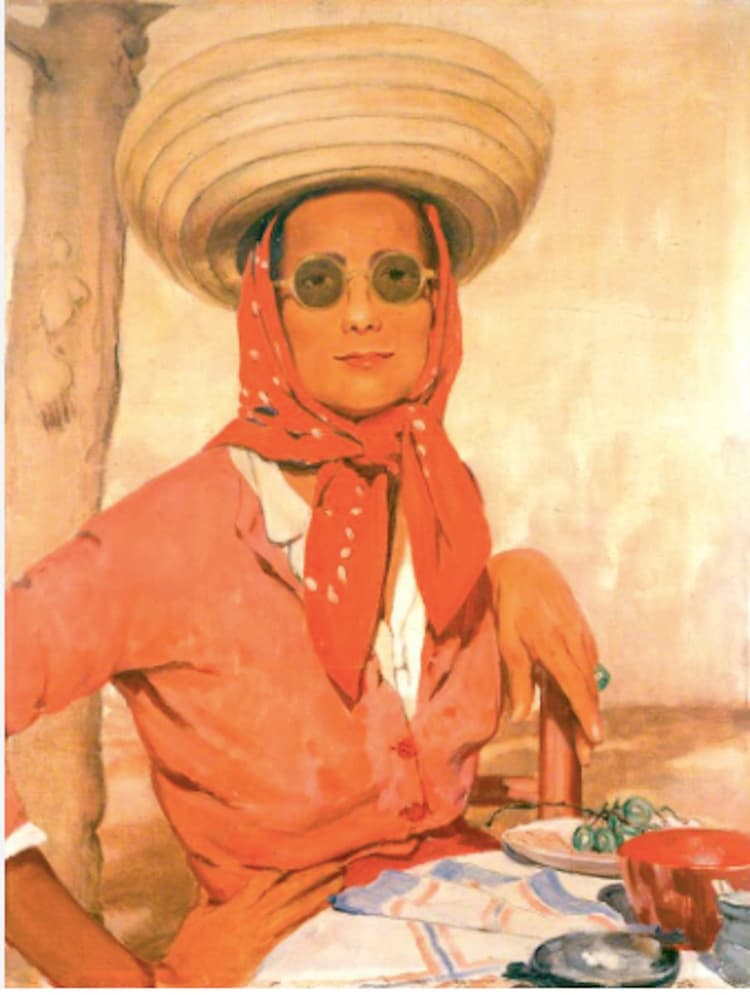
© Aberdeen Art Gallery & Museums Collections